
- Product Description
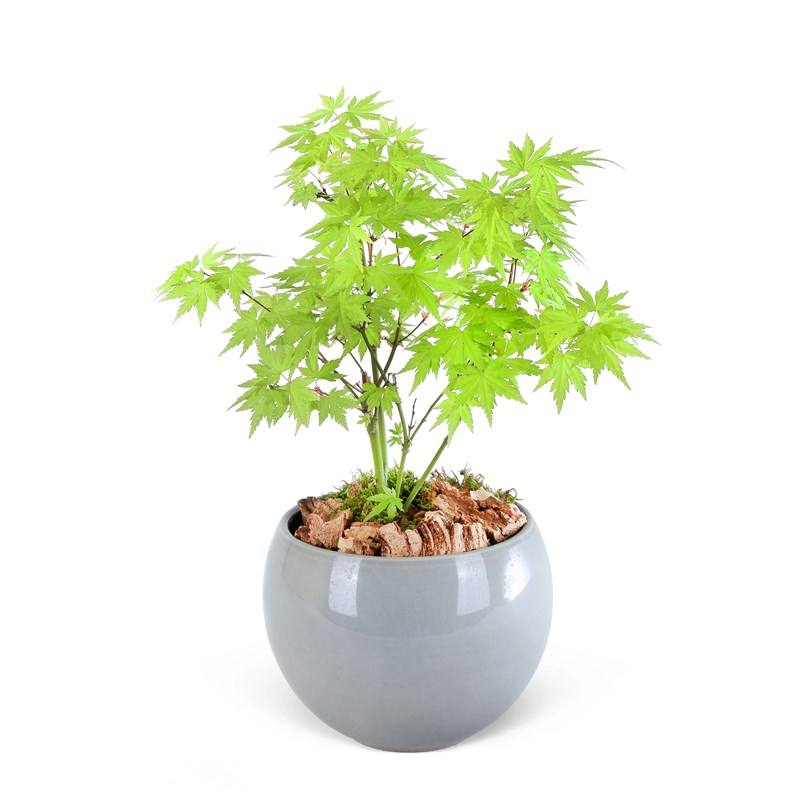
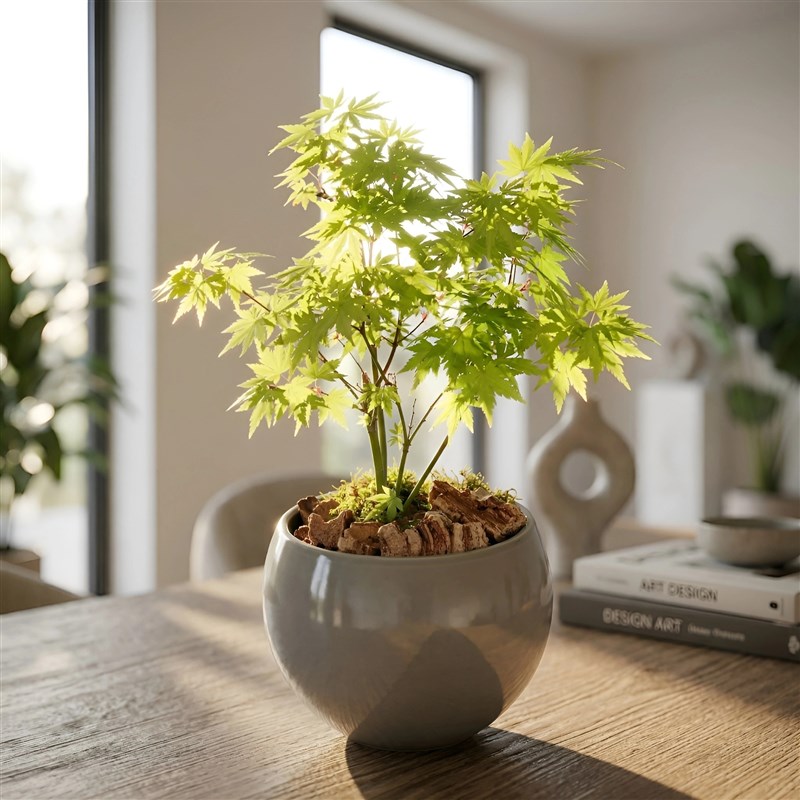
Acer palmatum, also known as the Japanese maple, is a tree notable for its elegant structure and is particularly used in landscaping. General Information About Acer Palmatum Arrangements: Elegant Structures and Different Varieties: Acer palmatum is known for its thin, pointed leaves, mostly in shades of red, green, or purple. During arrangements, the harmonious combination of these different colors and textures creates an aesthetic effect. Light and Location: It's important to remember that the Japanese maple prefers partial shade or indirect light. When arranging, the tree's natural light needs should be considered. Soil and Water Requirements: This plant prefers acidic and well-drained soil. Soil structure is important in arrangements because these trees require good drainage to prevent waterlogging. Otherwise, problems such as root rot may occur. Branching and Shaping: Acer palmatum naturally has an elegant and symmetrical structure. However, during arrangements, unnecessary branches should be removed and the tree's shape adjusted. These trees are also commonly used in bonsai art, so branch shaping must be done carefully. Seasonal Changes: Acer palmatum changes color seasonally, enriching the arrangement with different looks throughout the year. It stands out with its fresh green leaves in spring and red or golden colors in autumn.
1.099,00 TLFree Delivery